
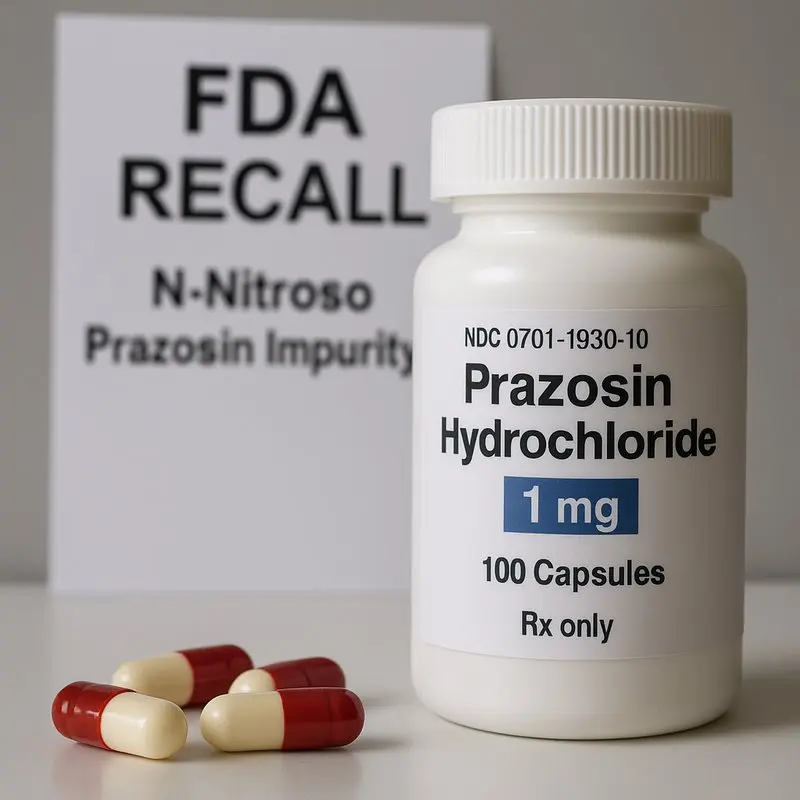
In the world of health and wellness, safety is just as important as effectiveness. Recently, a significant recall shook the medical community in the United States: more than half a million bottles of Prazosin Hydrochloride — a medication commonly prescribed for high blood pressure and PTSD symptoms — were pulled from pharmacies due to potential contamination.
This event is more than just a pharmaceutical issue. It’s a wake-up call about medication safety, quality control, and the importance of taking an active role in your own health journey. In this article, you’ll learn what Prazosin Hydrochloride is, why it was recalled, what risks are involved, what steps to take if you’re affected, and what broader wellness lessons we can draw from this situation.
What Is Prazosin Hydrochloride?
Prazosin Hydrochloride is a prescription drug that belongs to a class of medications called alpha-1 adrenergic blockers. These drugs work by relaxing the muscles around blood vessels, allowing blood to flow more easily and reducing blood pressure.
Main Uses
- Hypertension (high blood pressure): Prazosin helps reduce vascular resistance, which eases the workload on the heart.
- PTSD-related symptoms: It’s also prescribed off-label for post-traumatic stress disorder (PTSD), especially to reduce nightmares and improve sleep quality.
- Other conditions: In some cases, doctors use it to manage urinary issues from enlarged prostate or circulation problems like Raynaud’s phenomenon.
How It Works
The medication blocks alpha-1 receptors in blood vessels. By preventing the tightening effects of certain stress hormones, it widens the arteries and veins, helping blood pressure drop naturally.
When taken properly under medical supervision, Prazosin can be highly effective. However, like any medication, it carries potential side effects — such as dizziness, fatigue, or fainting when standing up quickly — which is why proper dosing and monitoring are crucial.
Why the Recall Happened
Overview
In late October 2025, the U.S. Food and Drug Administration (FDA) announced that Teva Pharmaceuticals USA had voluntarily recalled over 580,000 bottles of Prazosin Hydrochloride capsules from pharmacies nationwide. The recall included the 1 mg, 2 mg, and 5 mg strengths.
Testing found that certain lots contained a nitrosamine impurity called N-nitroso Prazosin impurity C in amounts above the FDA’s acceptable limit. Nitrosamines are chemical compounds that, when present at high levels and over long periods, may increase the risk of cancer.
The recall was classified as a Class II recall, meaning that exposure to the affected product could cause temporary or medically reversible health effects, and that the likelihood of serious harm was considered remote.
Affected Lots and Expiration Dates
The recall covered multiple production batches with expiration dates ranging from October 2025 through February 2028. Specific lot numbers were listed on the FDA website and included bottles distributed to pharmacies across the U.S.
How the Contamination Occurred
Nitrosamine contamination can occur during the manufacturing process, due to chemical reactions between raw materials, solvents, or packaging materials. It can also develop over time if the product is stored under conditions that promote instability.
In this case, Teva’s internal testing detected trace amounts of the impurity in several batches. Once confirmed, the company notified the FDA and initiated a voluntary recall to prevent further distribution.
Current Situation
As of the recall date, no health problems directly linked to these products had been reported. However, the FDA emphasized that long-term exposure to nitrosamines above safe thresholds can carry risks — making it critical for patients to check their medication bottles and act accordingly.
What This Means for Your Health and Wellness
Even if you don’t personally take Prazosin, this event highlights important lessons for anyone who values health, prevention, and informed self-care.
1. Medication Safety Is Part of Wellness
Wellness isn’t just about diet and exercise — it’s also about the safety of the medications and supplements you consume. Pharmaceutical recalls remind us that quality control matters just as much as medical effectiveness.
Being proactive means checking where your medications come from, confirming expiration dates, and staying aware of public health alerts.
2. Patients Deserve Transparency
People who rely on medications for chronic conditions such as hypertension or PTSD often face enough challenges already. They shouldn’t have to worry about impurities or contamination.
The recall reinforces the need for transparency in the pharmaceutical supply chain — and for consumers to have easy access to reliable recall information.
3. Ongoing Monitoring Saves Lives
Managing your health is a continuous process. Checking medication quality, following up with your doctor, and staying informed about recalls should be part of your wellness routine — just like annual checkups or lab tests.
4. A Healthy Lifestyle Reduces Risk
While medications play an important role, building a healthy lifestyle can reduce dependency on them. Balanced nutrition, regular exercise, quality sleep, and stress management all contribute to lowering blood pressure naturally and improving mental health.
5. Knowledge Is Empowerment
Ultimately, awareness is power. The more you understand about what you’re taking, the more you can protect yourself from risks. A culture of wellness includes curiosity, responsibility, and informed decision-making.
What To Do If You Take Prazosin Hydrochloride
If you currently use Prazosin or have a bottle at home, don’t panic — but do take the following steps carefully.
1. Check the Label
Look at the bottle for:
- Manufacturer: Teva Pharmaceuticals USA.
- Dosage: 1 mg, 2 mg, or 5 mg capsules.
- Lot number and expiration date: You can find the list of recalled lots on the FDA website.
If your medication matches one of the affected batches, it may fall under the recall.
2. Don’t Stop Taking It Suddenly
Never discontinue blood pressure or PTSD medication without medical advice. Stopping abruptly could cause blood pressure spikes, anxiety symptoms, or other complications.
3. Contact Your Doctor or Pharmacist
Inform your healthcare provider immediately. They can confirm whether your prescription is part of the recall, offer replacement options, or switch you to a safe alternative.
Pharmacists can also advise on how to return or safely dispose of recalled products.
4. Monitor Your Health
Even though the FDA classifies the risk as low, pay attention to any unusual symptoms — fatigue, nausea, or digestive changes — and report them to your healthcare professional.
5. Focus on Overall Wellness
While resolving your medication concerns, strengthen the foundations of health that support blood pressure control:
- Eat a diet rich in fruits, vegetables, and whole grains.
- Limit sodium and processed foods.
- Engage in regular physical activity.
- Maintain good sleep hygiene.
- Manage stress through relaxation, mindfulness, or therapy.
Lifestyle and medication should complement each other — not compete.
A Broader Look: Lessons for Modern Wellness
This recall offers deeper insights into how we think about health in the 21st century — especially for those who blend medical care with holistic wellness.
Medication and Supplement Safety
The Prazosin case shows that even tightly regulated drugs can encounter quality issues. For supplements, which face less regulation, careful brand selection becomes even more critical.
Choose supplements made under Good Manufacturing Practices (GMP), verified by independent labs, and transparent about sourcing and testing.
Prevention Over Reaction
Hypertension and many chronic conditions can often be improved through preventive habits. By prioritizing diet, movement, and stress management, you may delay or reduce the need for medication altogether — minimizing exposure to potential drug-related risks.
Educated Consumers Are Healthier Consumers
Well-being today depends on education and vigilance. Learn to read ingredient lists, follow recall notices, and discuss quality with your healthcare providers.
Empowered consumers not only protect themselves but also raise industry standards by demanding accountability.
Traceability and Trust
In an interconnected world, medications and supplements often come from complex global supply chains. Knowing the origin of what you take is part of modern self-care.
Look for products that publish testing results and quality certificates. Trustworthy companies treat transparency not as a burden — but as a responsibility.
Frequently Asked Questions
Q: I have Prazosin at home. Should I throw it away immediately?
A: Not necessarily. First, check the lot number and confirm whether it’s part of the recall. If it is, contact your pharmacy or healthcare provider for proper instructions. Never dispose of medication in regular trash or drains.
Q: Does this mean the drug causes cancer?
A: The recall was issued because a contaminant with potential carcinogenic properties was found at higher-than-acceptable levels. This doesn’t mean that using the medication automatically causes cancer, but prolonged exposure could increase risk. The FDA has stated that the overall risk remains low.
Q: What if I live outside the United States?
A: The recall applies to products distributed in the U.S. only. If you’re in another country, check with your local pharmacy or health authority to see if similar batches were distributed in your region.
Q: What are the alternatives for managing blood pressure or PTSD symptoms?
A: There are many options, including other classes of antihypertensives (ACE inhibitors, ARBs, beta-blockers, etc.) and non-drug therapies like stress reduction and counseling. Always make medication changes with medical supervision.
Q: How can I avoid similar problems in the future?
A:
- Always verify the manufacturer and expiration date of your medications and supplements.
- Buy from reliable pharmacies and brands.
- Subscribe to FDA or local health alerts.
- Support your health with preventive habits: balanced diet, regular movement, adequate sleep, and mental wellness practices.
Final Thoughts
The Prazosin Hydrochloride recall serves as a timely reminder that wellness goes beyond taking the right pill — it’s about ensuring that what we put in our bodies is truly safe.
While recalls can sound alarming, they also demonstrate that safety systems work: impurities are detected, companies respond, and consumers are informed. The key is how we respond as individuals.
For readers of The Vitamin Guide, this event highlights two essential truths:
- Stay informed and vigilant. Whether it’s a prescription medication or a vitamin supplement, always know what you’re consuming.
- Invest in prevention. The stronger your lifestyle foundation — through nutrition, activity, sleep, and mindfulness — the less you’ll rely on interventions that may carry risks.
Health is an ongoing partnership between science, awareness, and personal responsibility. By staying alert and proactive, you can turn even a pharmaceutical recall into an opportunity to strengthen your long-term well-being.